Sri Lankan Black Pork Curry Recipe (Kalu Pol Pork Curry)
Ingredients:
- 1 kg pork, cut into bite-sized pieces (preferably with some fat)
- 1 large onion, finely sliced

- 4 cloves garlic, minced
- 1-inch piece of ginger, minced
- 3-4 green chilies, slit
- 2 tablespoons roasted curry powder (see below for how to make this)
- 1 tablespoon unroasted curry powder
- 1 tablespoon black pepper powder
- 1 tablespoon chili powder
- 1 tablespoon turmeric powder
- 2 tablespoons vinegar (preferably coconut vinegar)
- 1 teaspoon mustard seeds
- 1/2 teaspoon fenugreek seeds
- 1 stick cinnamon
- 2-3 cardamom pods
- 3-4 cloves
- 1 sprig curry leaves
- 1/4 cup thick coconut milk
- 2 tablespoons tamarind pulp
- Salt to taste
- 2 tablespoons oil (coconut oil is preferred)
For Roasted Curry Powder:
- 2 tablespoons coriander seeds
- 1 tablespoon cumin seeds
- 1 tablespoon fennel seeds
- 1 tablespoon black peppercorns
- 1 tablespoon raw rice
- 1/2 teaspoon fenugreek seeds
- 5-6 dried red chilies
- 1-inch piece cinnamon
- 3-4 cloves
- 2-3 cardamom pods
Instructions:
Prepare the Roasted Curry Powder:
- Dry roast all the ingredients listed under "Roasted Curry Powder" in a pan over medium heat until they are fragrant and turn a dark brown color. Be careful not to burn them.
- Cool and grind the roasted spices into a fine powder using a spice grinder. Store in an airtight container.
Make the Black Pork Curry:
Marinate the Pork:
- In a large bowl, mix the pork pieces with roasted curry powder, unroasted curry powder, black pepper powder, chili powder, turmeric powder, vinegar, and salt.
- Let the pork marinate for at least 1 hour (preferably overnight) to absorb the flavors.
Cook the Pork:
- Heat oil in a heavy-bottomed pot or clay pot over medium heat.
- Add mustard seeds and allow them to pop.
- Add fenugreek seeds, cinnamon, cardamom, cloves, and curry leaves. Sauté until fragrant.
- Add the sliced onions, green chilies, garlic, and ginger. Cook until the onions are soft and golden brown.
- Add the marinated pork to the pot and cook, stirring occasionally, until the pork is browned and starts to release its fat.
Simmer the Curry:
- Add the tamarind pulp and a little water (just enough to cover the pork).
- Bring to a boil, then reduce the heat to low and cover the pot.
- Let the curry simmer for 1.5 to 2 hours, or until the pork is tender and the gravy has thickened. Stir occasionally and add water if needed.
Finish the Curry:
- Once the pork is tender, add the thick coconut milk.
- Cook for another 10 minutes on low heat, allowing the flavors to meld and the gravy to thicken further.
- Taste and adjust seasoning with salt if needed.
Serve:
- Serve hot with steamed rice, pol roti, or Sri Lankan hoppers.
Tips:
- Flavor Enhancer: If you like your curry extra spicy, you can add more black pepper or chili powder according to your taste.
- Resting Time: Like many curries, this dish often tastes even better the next day after the flavors have had time to develop.
Enjoy your Sri Lankan black pork curry!


Delicious Prawn Curry
Introduction
Prawn curry is a flavorful and aromatic dish that's beloved by seafood enthusiasts worldwide. Whether you're a seasoned cook or a beginner, this recipe is straightforward and guaranteed to impress. Let’s dive into the process of creating a mouthwatering prawn curry that you can enjoy with family and friends.
Ingredients
Before we start, here’s what you’ll need:
- Prawns: 500g, cleaned and deveined
- Coconut milk: 1 cup
- Onion: 1 large, finely chopped
- Tomatoes: 2 medium, chopped
- Garlic: 4 cloves, minced
- Ginger: 1-inch piece, grated
- Green chilies: 2, slit lengthwise
- Curry leaves: A handful
- Turmeric powder: 1/2 tsp
- Chili powder: 1 tsp (adjust according to taste)
- Coriander powder: 1 tbsp
- Cumin seeds: 1/2 tsp
- Mustard seeds: 1/2 tsp
- Garam masala: 1/2 tsp
- Oil: 2 tbsp (coconut oil is preferable)
- Salt: To taste
- Cilantro: Fresh, chopped for garnish
Step 1: Preparing the Prawns
Start by cleaning the prawns thoroughly. Remove the shell, devein them, and give them a good rinse under cold water. Set the prawns aside in a bowl.
Step 2: Sauté the Aromatics
Heat the oil in a large pan over medium heat. Once hot, add the cumin and mustard seeds, allowing them to sizzle and pop. Next, toss in the chopped onions and sauté until they turn golden brown.
Step 3: Add Garlic, Ginger, and Chilies
Add the minced garlic, grated ginger, and slit green chilies to the pan. Sauté for another 2-3 minutes until the mixture is fragrant.
Step 4: Spice It Up
Now, it’s time to add the spices. Sprinkle the turmeric, chili powder, and coriander powder over the sautéed mixture. Stir well, allowing the spices to coat the onions, garlic, and ginger evenly. Cook for another 2 minutes.
Step 5: Add Tomatoes and Curry Leaves
Add the chopped tomatoes and curry leaves to the pan. Cook until the tomatoes soften and blend into the spice mixture, forming a thick paste.
Step 6: Simmer with Coconut Milk
Pour in the coconut milk, stirring well to combine. Allow the mixture to come to a gentle simmer. This will create a rich, creamy base for the prawn curry.
Step 7: Cook the Prawns
Add the cleaned prawns to the simmering curry. Cook them for about 5-7 minutes, or until they turn pink and are fully cooked. Be careful not to overcook the prawns, as they can become rubbery.
Step 8: Final Touches
Sprinkle the garam masala over the curry and stir well. Check for seasoning and add salt to taste. Let the curry simmer for another 2 minutes to allow the flavors to meld together.
Step 9: Garnish and Serve
Garnish your prawn curry with freshly chopped cilantro and serve hot. This dish pairs beautifully with steamed rice, naan, or even roti.
Conclusion
And there you have it—a delicious, aromatic prawn curry that’s sure to satisfy your taste buds. Whether you're cooking for a special occasion or just a regular weeknight dinner, this recipe is bound to become a favorite. Give it a try and enjoy the rich flavors of this delightful dish!
This post should attract readers looking to create a traditional and flavorful prawn curry at home


Fish Ambul Thiyal (Sour Fish Curry)
Ingredients:
- 500g tuna, cubed
- 2 tbsp goraka (or tamarind)
- 1 tsp turmeric
- 1 tsp black pepper
- Salt, to taste
- 1-2 cups water
Instructions:
- Mix tuna with goraka, turmeric, pepper, and salt.
- Simmer with water until the liquid reduces and the fish is well coated.


Lamprais
Ingredients:
- 1 cup rice
- 2 boiled eggs
- 200g mixed meat (chicken, beef, pork)
- 1 tbsp curry powder
- 1 onion, sliced
- Banana leaves for wrapping
- Oil, salt, spices as needed
Instructions:
- Cook rice and set aside.
- Sauté onion, add meat, curry powder, and spices; cook thoroughly.
- Wrap rice, meat, and egg in banana leaves; bake at 350°F (175°C) for 30 minutes.


Hoppers (Appa)
Ingredients:
- 1 cup rice flour
- 1/2 cup coconut milk
- 1/2 tsp sugar
- 1/4 tsp yeast
- Salt, to taste
- Water, as needed
Instructions:
- Mix all ingredients into a batter and let it ferment for a few hours.
- Pour a ladleful into a hot, lightly oiled pan, swirl, and cook until the edges are crispy.

.jpeg)
Sri Lankan Milk Rice (Kiribath) with Katta Sambola
Milk Rice (Kiribath)
Ingredients:
- 1 cup white rice (short-grain preferred)
- 2 cups water
- 1 cup coconut milk
- 1 tsp salt
Instructions:
- Rinse the rice and cook it in water until fully absorbed.
- Add coconut milk and salt, stirring well.
- Cook on low heat until the mixture thickens.
- Transfer to a flat dish, flatten with a spoon, and let it set.
- Cut into diamond shapes before serving.
Katta Sambola
Ingredients:
- 2 tbsp dried chili flakes
- 1 small onion, finely chopped
- 1-2 tsp Maldive fish flakes (optional)
- 1-2 tsp lime juice
- Salt to taste
Instructions:
- Combine all ingredients in a mortar and pestle.
- Grind until well mixed and slightly coarse.
- Adjust lime juice and salt to taste.
Serve the milk rice with a generous portion of katta sambola for a traditional Sri Lankan breakfast or side dish.

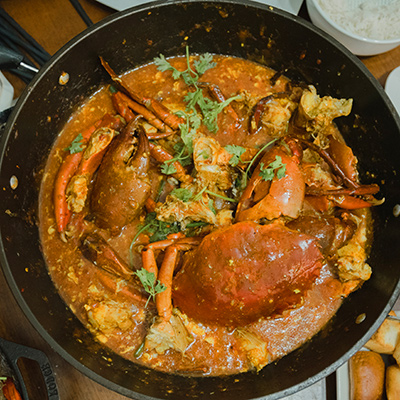
Sri Lankan Crab Curry (Jaffna Style)
Ingredients:
- 1 kg fresh crabs, cleaned
- 1 onion, finely chopped
- 2 tomatoes, chopped
- 3 garlic cloves, minced
- 1-inch ginger, minced
- 2 green chilies, chopped
- 1 tbsp curry powder
- 1 tsp turmeric powder
- 1 tsp chili powder
- 1 cup coconut milk
- 2 tbsp tamarind pulp
- 2 tbsp oil
- Salt, to taste
Instructions:
- Heat oil, sauté onion, garlic, ginger, and green chilies.
- Add curry powder, turmeric, chili powder, and cook briefly.
- Stir in tomatoes, crabs, and tamarind; cook until crabs turn red.
- Pour in coconut milk, simmer until sauce thickens.
- Serve hot with rice.
This dish offers a rich, spicy, and aromatic taste that's uniquely Sri Lankan!



Sri Lankan Brinjal (Eggplant) Pickle - Batu Moju
Ingredients:
- 500g eggplants (brinjal), cut into strips
- 1 large onion, sliced
- 2 green chilies, sliced
- 2 cloves garlic, minced
- 1 tbsp ginger, minced
- 2 tbsp vinegar
- 1 tbsp sugar
- 1/2 tsp mustard seeds
- 1/2 tsp turmeric powder
- 1/2 tsp chili powder
- Salt, to taste
- Oil for deep frying
Instructions:
- Fry eggplant strips until golden; set aside.
- Sauté mustard seeds, garlic, ginger, onion, and chilies.
- Add turmeric, chili powder, vinegar, sugar, and salt.
- Mix in fried eggplants, cook for a few minutes until well coated.
- Serve with rice or as a condiment.
Batu Moju is a tangy, sweet, and slightly spicy dish that pairs well with rice and curry!


Kottu Roti Recipe
Ingredients:
- 4-5 godamba roti (Sri Lankan flatbread) or 4-5 parathas, chopped into small pieces
- 200g chicken, beef, or tofu (optional), cooked and shredded
- 1 large onion, sliced
- 2-3 green chilies, chopped
- 1 carrot, grated
- 1/2 cup cabbage, thinly sliced
- 1 tomato, chopped
- 2 eggs, lightly beaten
- 1 tbsp soy sauce
- 2 tbsp oil
- 1/2 tsp turmeric powder
- 1/2 tsp curry powder
- 1/2 tsp chili flakes
- Salt and pepper, to taste
- Fresh coriander leaves for garnish
Instructions:
Prepare the Roti: If using frozen parathas, cook them according to package instructions and chop into small pieces. If using fresh godamba roti, chop them into bite-sized pieces.
Cook the Protein (Optional): If you're using chicken, beef, or tofu, cook it separately until done. Shred or chop into small pieces and set aside.
Sauté the Vegetables: Heat oil in a large pan or wok over medium heat. Add the sliced onion, green chilies, and curry powder. Sauté until the onions turn soft and translucent.
Add Vegetables and Protein: Add the grated carrot, sliced cabbage, and chopped tomato to the pan. Stir-fry for a few minutes until the vegetables are slightly tender. Add the cooked protein (chicken, beef, or tofu) if using, and mix well.
Add Eggs: Push the vegetable mixture to one side of the pan and pour the beaten eggs into the empty space. Scramble the eggs until cooked through, then mix them with the vegetables.
Add Roti: Add the chopped roti or paratha pieces to the pan. Pour in the soy sauce, sprinkle with turmeric, chili flakes, salt, and pepper. Mix everything well, making sure the roti pieces are well coated with the spices and vegetables.
Serve: Garnish with fresh coriander leaves and serve hot. Kottu Roti is often enjoyed on its own or with a side of curry or gravy.
Enjoy your homemade Kottu Roti, a flavorful and satisfying Sri Lankan dish that's perfect for any time of the day!


Cheese Kottu Recipe
Ingredients:
For the Cheese Kottu:
- 1 pack of store-bought or homemade Godhamba roti (you can also use paratha)
- 2 tablespoons oil
- 1 large onion, sliced
.jpeg)
- 1 large carrot, julienned
- 1 cup cabbage, shredded
- 2 green chilies, sliced (adjust to taste)
- 2 cloves garlic, minced
- 1-inch piece ginger, minced
- 2 eggs
- 1/2 cup cooked chicken, shredded (optional)
- 1/2 cup cheese, grated (Cheddar or mozzarella)
- 2 tablespoons soy sauce
.jpeg)
- 1 tablespoon oyster sauce
- 1/2 teaspoon turmeric powder
- 1/2 teaspoon chili powder
- Salt and pepper to taste
For the Curry Sauce (Optional):
- 1 tablespoon oil
- 1 onion, finely chopped
- 2 cloves garlic, minced
- 1-inch piece ginger, minced
- 1 teaspoon curry powder
- 1 teaspoon chili powder
- 1 tomato, chopped
- 1/2 cup coconut milk
- Salt and pepper to taste
.jpeg)
.jpeg)
Instructions:
Prepare the Roti:
- Cut the Godhamba roti or paratha into small bite-sized pieces. Set aside.
Make the Curry Sauce (Optional):
- In a small saucepan, heat oil over medium heat. Add the chopped onion, garlic, and ginger. Sauté until the onion is translucent.
- Add curry powder, chili powder, and chopped tomato. Cook until the tomatoes are soft.
- Pour in the coconut milk and season with salt and pepper. Simmer for 5 minutes, then remove from heat. Set aside.
Cook the Kottu:
- Heat oil in a large wok or frying pan over medium-high heat. Add sliced onions, carrots, cabbage, and green chilies. Stir-fry until the vegetables are slightly softened.
- Add minced garlic and ginger. Sauté for another minute until fragrant.
- Push the vegetables to the side of the pan and crack the eggs into the empty space. Scramble the eggs until fully cooked.
- Add the shredded chicken (if using) and the cut roti pieces. Stir everything together.
- Season with turmeric powder, chili powder, soy sauce, and oyster sauce. Mix well to combine all the ingredients.
- Sprinkle the grated cheese over the kottu and stir until the cheese melts and coats the roti and vegetables evenly.
Serve:
- Serve the cheese kottu hot, with the optional curry sauce on the side or drizzled over the kottu.
Enjoy your homemade Cheese Kottu!

.jpeg)
Sri Lankan Mango Chutney Recipe
Ingredients:
- 2 large ripe mangoes, peeled, pitted, and diced
.jpeg)
- 1 small onion, finely chopped
- 1/2 cup sugar
- 1/2 cup white vinegar
- 1/4 cup water
- 1 tablespoon grated fresh ginger
- 1 teaspoon garlic, minced
- 1/2 teaspoon ground turmeric
- 1/2 teaspoon ground cumin
- 1/2 teaspoon ground coriander
- 1/2 teaspoon chili flakes (adjust to taste for heat)
- 1/2 teaspoon mustard seeds
- 1/4 teaspoon ground cloves
- 1/4 teaspoon salt
- 1 tablespoon vegetable oil
Instructions:
Prepare the Mangoes:
- Peel, pit, and dice the mangoes into small pieces. Set aside.
Cook the Spices:
- In a large saucepan, heat the vegetable oil over medium heat.
- Add the mustard seeds and cook until they start to pop.
- Add the finely chopped onion and cook until it becomes translucent and soft.
Add Aromatics:
- Stir in the minced garlic and grated ginger, cooking for about 1 minute until fragrant.
Combine Ingredients:
- Add the diced mangoes, sugar, vinegar, water, turmeric, cumin, coriander, chili flakes, cloves, and salt to the saucepan.
- Stir well to combine all the ingredients.
Simmer the Chutney:
- Bring the mixture to a boil, then reduce the heat to low.
- Simmer uncovered for 30-40 minutes, stirring occasionally, until the chutney thickens and the mangoes are soft. The consistency should be similar to a thick sauce or jam.
Cool and Store:
- Let the chutney cool to room temperature.
- Transfer to sterilized jars or containers and store in the refrigerator.
- The chutney can be kept in the fridge for up to 2 weeks or frozen for longer storage.
Tips:
- Adjust Sweetness and Heat: Feel free to adjust the amount of sugar and chili flakes according to your taste preference.
- Texture: If you prefer a smoother chutney, you can blend it slightly with an immersion blender after cooking.
- Serving: Mango chutney pairs well with grilled meats, curries, cheese, or as a spread for sandwiches and wraps.
Enjoy your homemade mango chutney!
.jpeg)


Comments
Post a Comment